Come With Us to Seoul
Into the heart of K-culture — from the world of the Netflix animated film K-Pop Demon Hunters (2025) to the city's museums, shrines, and streets, chosen for their resonance with Korean shamanism, geomancy, and the urban religious imagination. Although not included in the official ISARS 2026 tour, we provide this guide to help you explore the city on your own.
National Museum of Korea — Evening Opening 국립중앙박물관 야간개장
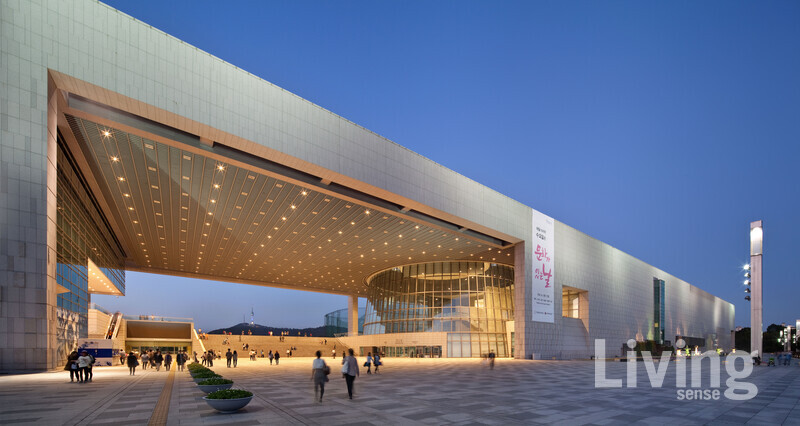
Before turning to the film's Seoul, one recommendation tied to the conference itself: the National Museum of Korea in Yongsan stays open late (until 21:00) on Wednesdays and Saturdays. On the Saturday evening of the conference, the night opening makes for an ideal closing outing — the vast stone plaza, illuminated against the Namsan skyline, is at its most striking after dark, and the galleries are calm and uncrowded.
For scholars of religion the museum is essential: its Buddhist sculpture hall (home to the celebrated gilt-bronze Pensive Bodhisattva) and the towering ten-story Gyeongcheonsa Pagoda offer a concentrated survey of Korea's Buddhist material culture, alongside galleries on Confucian ritual and folk belief.
Locations that appear directly in K-Pop Demon Hunters.
Gyeongbokgung Palace 경복궁
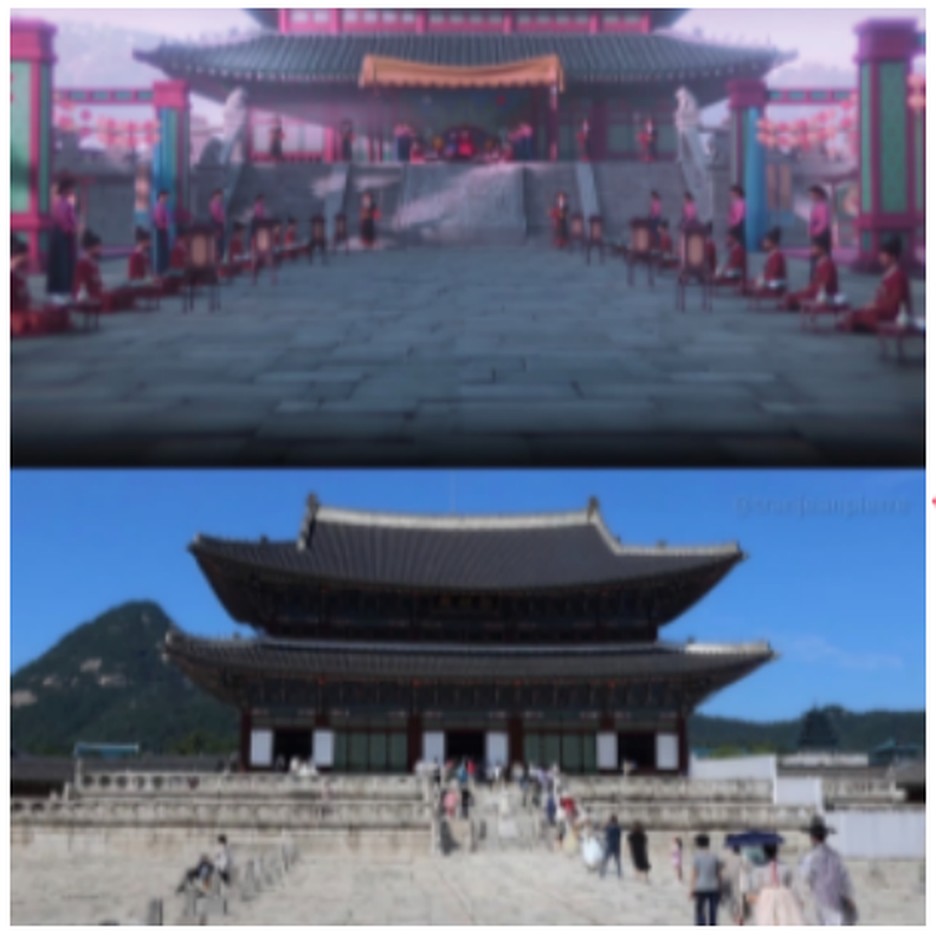
Founded in 1395 as the primary palace of the Joseon dynasty, Gyeongbokgung was sited according to Korean geomancy (풍수지리, pungsu-jiri): Bukhansan (북한산) as the protective backing mountain, the Han River as the embracing water, with the central axis aligned to Gwanghwamun and beyond. The compound housed not only government offices but the royal ancestral altars where the king performed rites linking living rule to dynastic ancestors and Heaven.
Its sweeping courtyards and tiled halls echo through the film's palace imagery. Visitors in hanbok (traditional dress, rentable nearby) enter free of charge — a policy that has reshaped the visual ecology of the palace into a kind of participatory living museum.
Naksan Park (Fortress Wall Trail) 낙산공원 성곽길
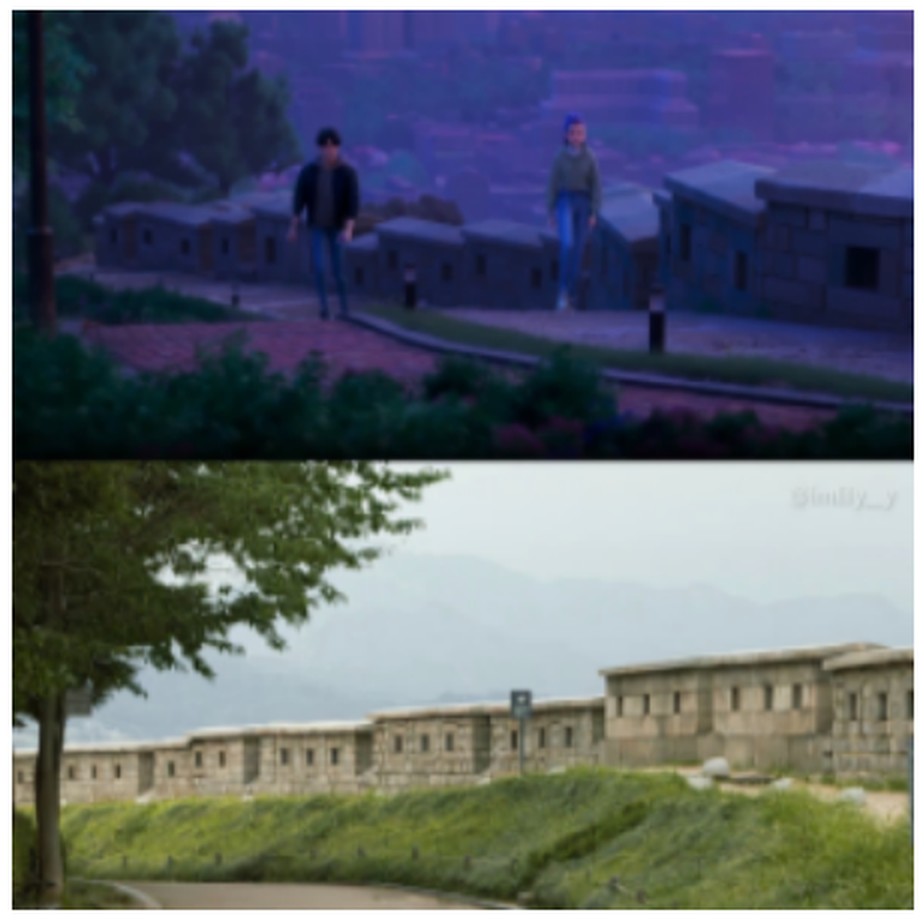
The walking path along the Joseon-era city wall where Rumi and Jinu share their conversation while singing Free. Naksan (낙산, "Camel Mountain") is one of Seoul's Inner Four Mountains (내사산) and, in the geomantic scheme that organized the capital, the eastern Azure Dragon (좌청룡) guarding the city. The fortress wall here is original 14th-century stonework, with later repairs visible in successive courses of differently shaped blocks.
At dusk the path offers what is widely considered the best low-altitude night view of central Seoul — the same liminal city-at-night register that gives the Free sequence its emotional weight.
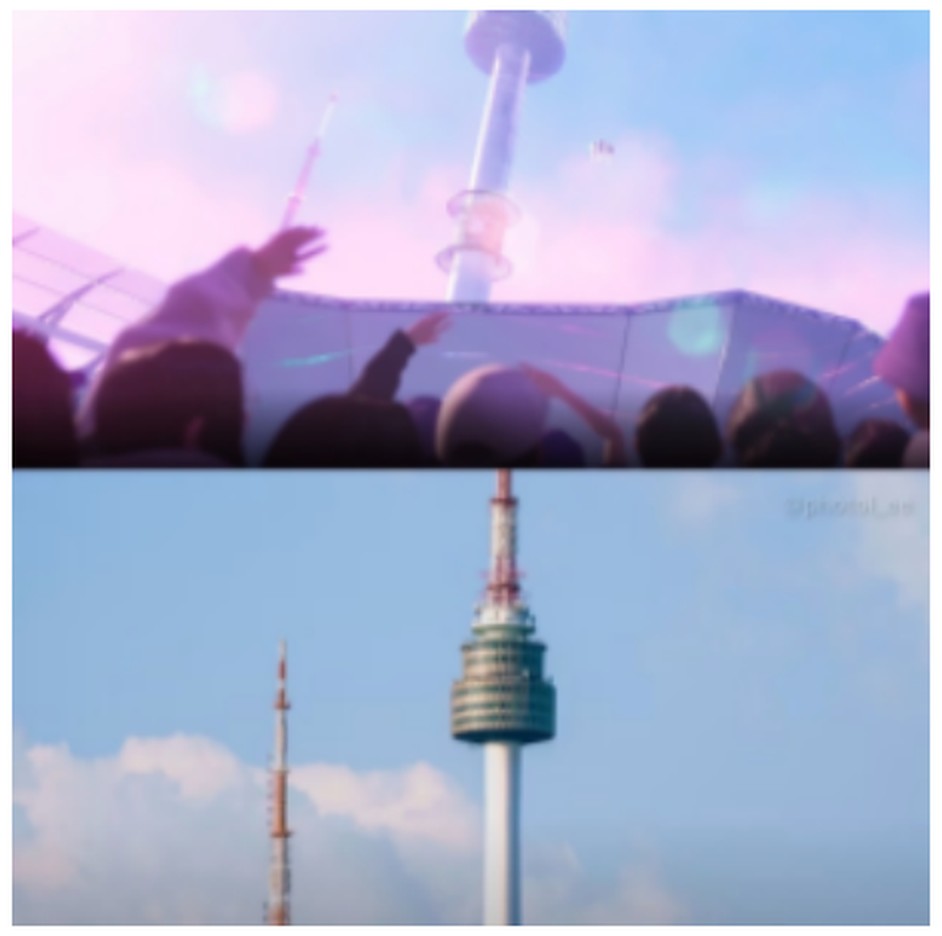
Namsan Seoul Tower 남산서울타워
Namsan (남산, "Southern Mountain"; historically Mokmyeoksan 목멱산) is the southern guardian peak of Seoul's Inner Four Mountains. Long before the broadcast tower (built 1969, opened to the public 1980), the summit hosted the Mokmyeoksan Guksadang (목멱산 국사당), a state shamanic shrine where rituals for the protection of the dynasty were performed, and the city's primary bongsudae (봉수대, beacon-fire signal post) for transmitting military news to the palace.
The film's choice to stage the Saja Boys against this skyline is more than scenery. Saja (사자) means "lion," but in Korean folk religion the term also denotes jeoseung saja (저승사자) — the underworld messenger who escorts souls to the afterlife. A boy-band of soul-collectors silhouetted against a mountain that once housed a state shamanic shrine carries layers of meaning a Korean audience reads automatically.
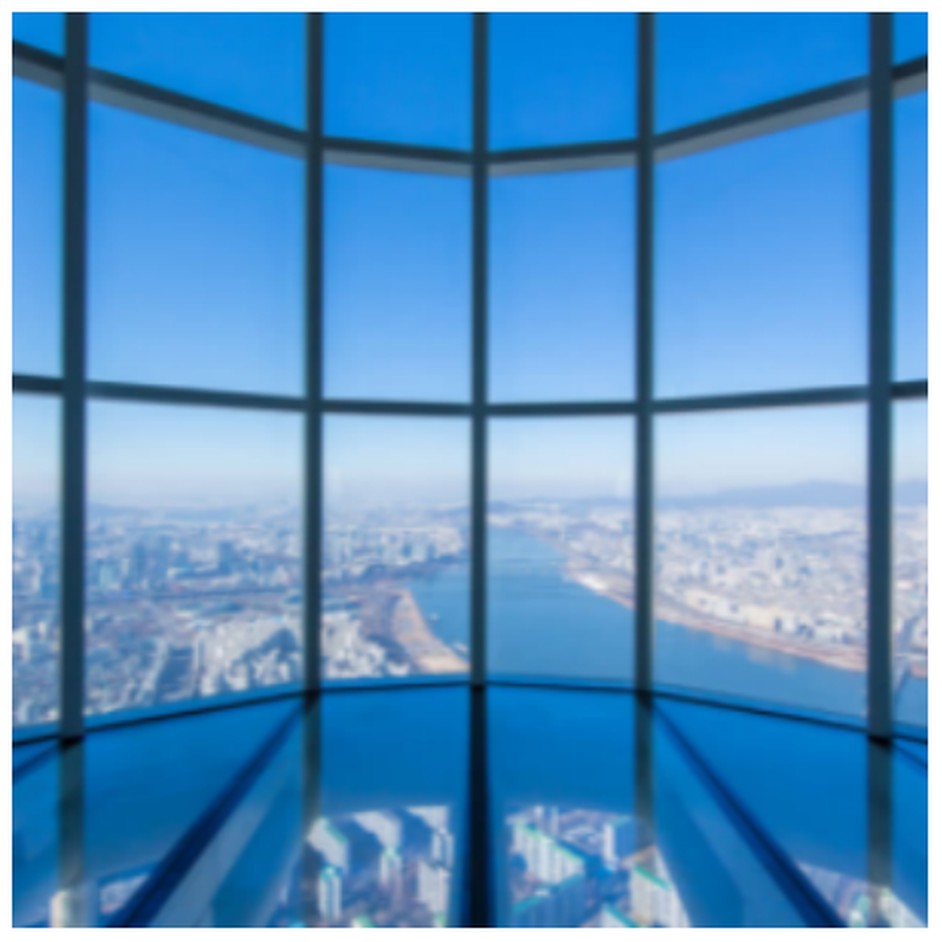
Seoul Sky / Lotte World Tower 서울 스카이타워
At 555 meters and 123 stories, Lotte World Tower (opened 2017) is the tallest building in Korea and the world's sixth-tallest. The Seoul Sky observation decks occupy floors 117–123 and offer the kind of vertical, glass-walled domestic luxury that the film assigns to HUNTR/X's apartment.
For attendees interested in the religious sociology of contemporary Seoul, the tower's location in Songpa-gu — atop reclaimed lake land that was once farmland and shamanic ritual ground — is a useful case study in how late-capitalist landmark architecture overwrites and re-narrates older spiritual geographies.
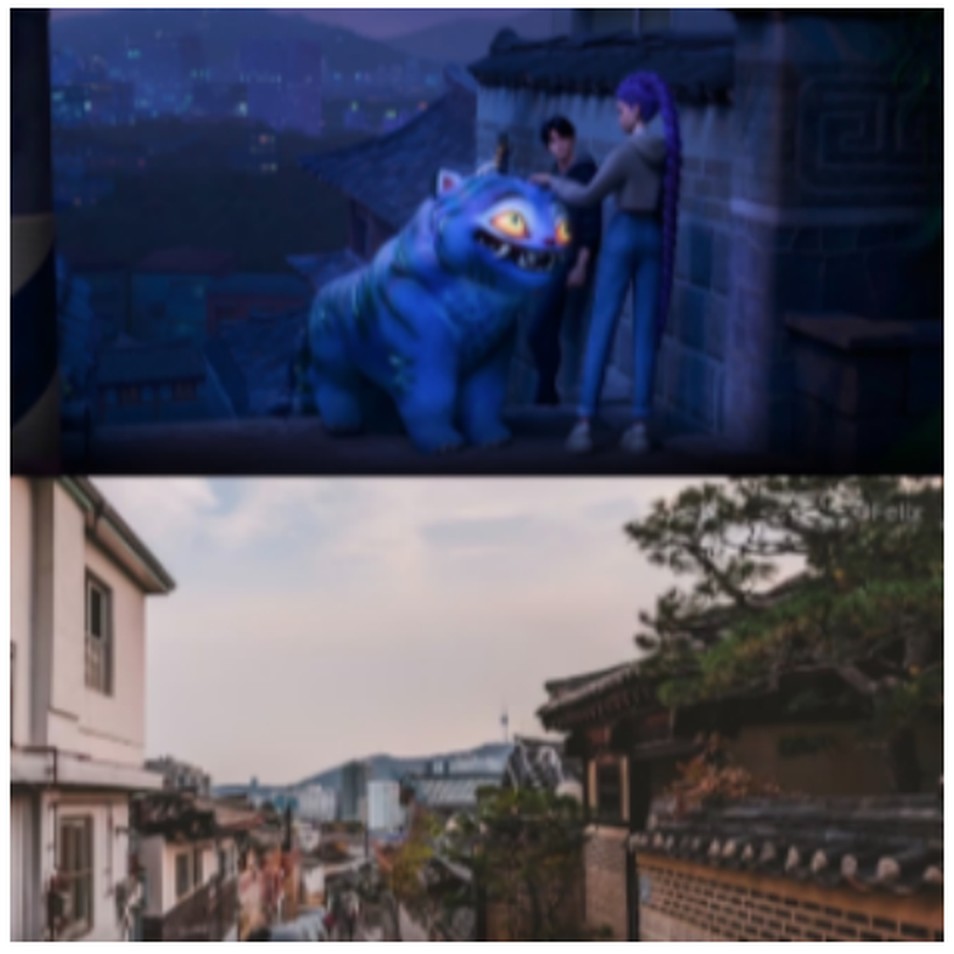
Bukchon Hanok Village 북촌한옥마을
The site of Rumi and Jinu's quiet nighttime conversation is a six-century-old neighborhood nestled between Gyeongbokgung and Changdeokgung palaces. Bukchon (북촌, "north village") historically housed high-ranking yangban (Confucian scholar-officials) whose proximity to the throne reflected their political rank. The compact hanok form — wood frame, tiled roof, central courtyard — encodes Confucian principles of generational hierarchy, gendered space, and ancestral veneration in domestic architecture.
This is still a residential neighborhood. The Jongno-gu district has posted multilingual signs requesting quiet voices between 10:00 and 17:00 and full silence after dark; visiting respectfully is itself an entry into the village's ethical fabric.
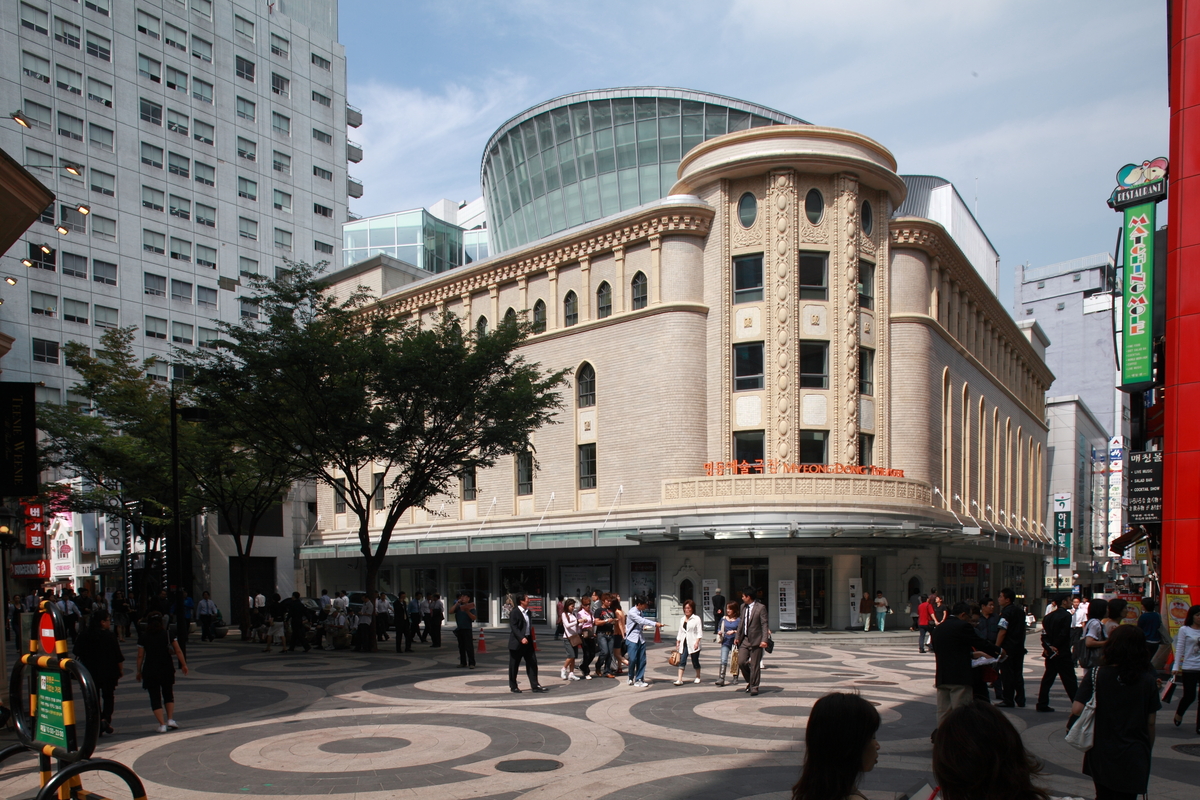
Myeongdong Street 명동거리
Myeongdong is the bright commercial heart of central Seoul and the stage where the Saja Boys perform Soda Pop in the film — an easy, walkable spot for fans who want to stand where a key sequence unfolds. It is also the best place to taste the street food that HUNTR/X are repeatedly shown enjoying (gimbap, tteokbokki, hotteok and more), turning a film reference into a sensory experience.
Just off the main shopping lanes stands Myeongdong Cathedral (명동성당), the seat of the Roman Catholic Archdiocese of Seoul. Completed in 1898 as Korea's first Gothic-style church, it is a landmark of Korean Catholicism and served as a sanctuary for the democratization movement of the 1980s. For scholars of religion, it offers a striking counterpoint to the shamanic and Confucian layers elsewhere in this guide — a reminder of Seoul's genuinely plural religious landscape.
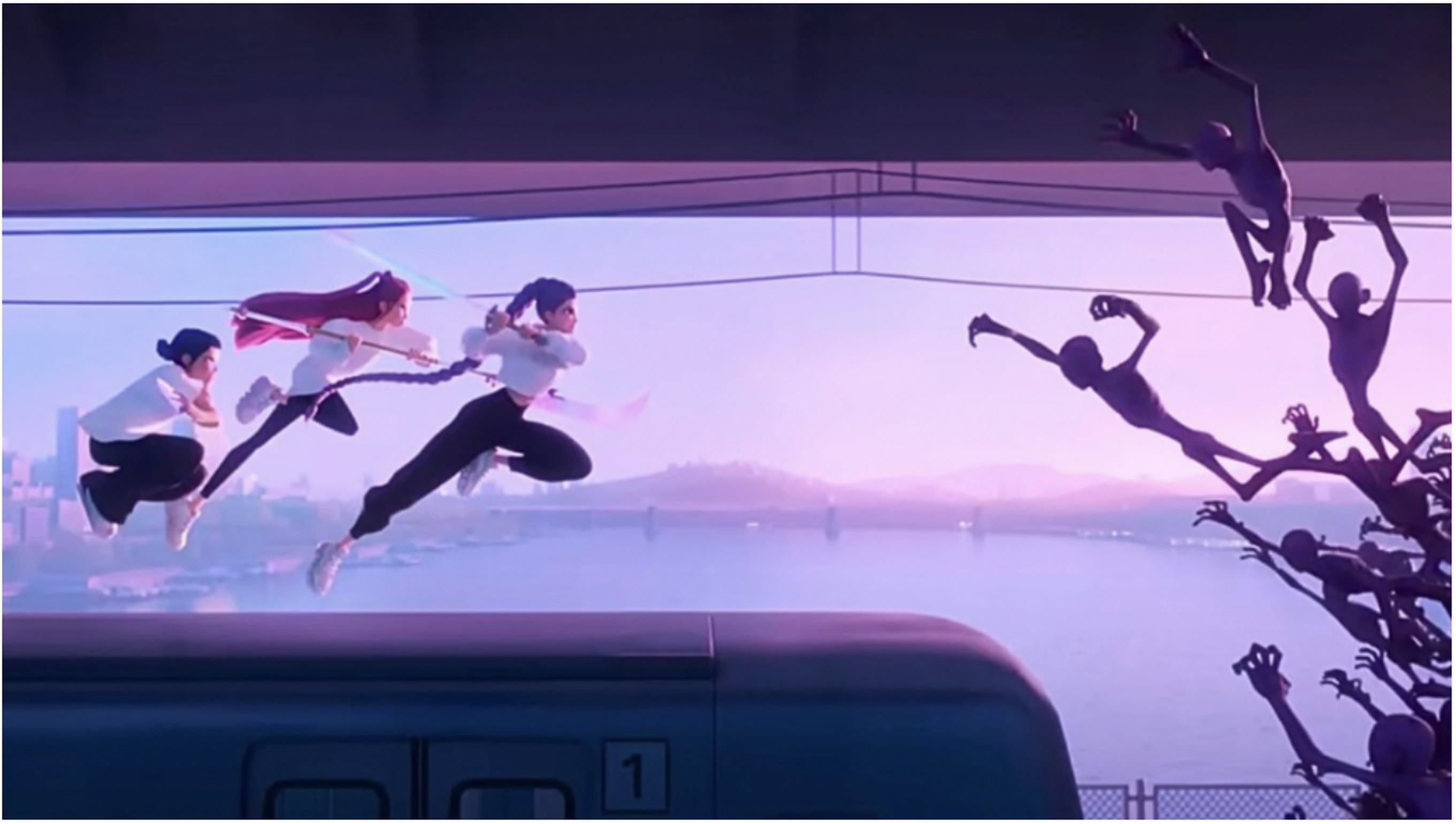
Cheongdam Bridge & Ttukseom Hangang Park 청담대교 · 뚝섬한강공원
Cheongdam Bridge, which carries Line 7 over the Han River, is where the HUNTR/X members battle evil spirits atop a moving subway train. Just beside it lies Ttukseom Hangang Park — and the name Ttukseom carries a martial-spiritual history. It derives from the Dukje (둑제), a state ritual offered to the dukki (둑기), a great war flag symbolizing the king, performed before battles or major military actions in the Goryeo and Joseon periods.
These rites, addressed to Chiyou, the god of war, were held in spring and autumn to pray for victory and for the protection of soldiers and the nation. The convergence of HUNTR/X's on-screen battlefield and a real site once dedicated to martial ritual gives this stretch of riverbank an unexpected resonance for a scholar of religion.
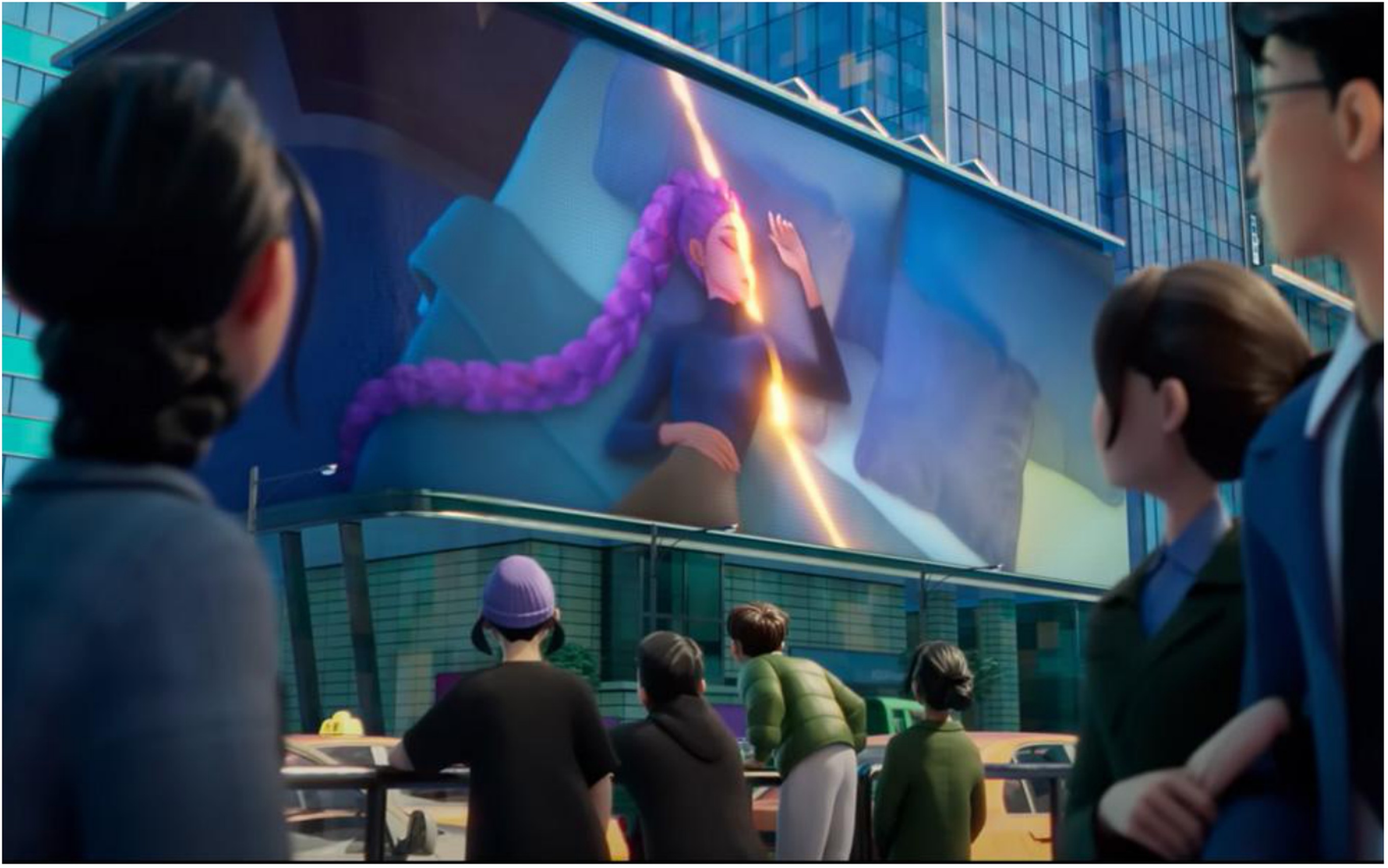
COEX K-pop Square & Bongeunsa Temple 코엑스 · 봉은사
The giant curved LED billboard at COEX K-pop Square is where HUNTR/X's music video Golden plays in the film — a fitting emblem of the hyper-modern, screen-saturated Seoul the story inhabits. Directly across the street, in pointed contrast, sits Bongeunsa, a Buddhist temple first established in 794.
Bongeunsa's Samsunggak (삼성각, "Hall of the Three Sages") is a vivid illustration of how Korean Buddhism absorbed shamanistic and folk belief. The hall enshrines three folk-religious figures: Sanshin (산신, the mountain spirit), Chilseong (칠성, the Seven Stars of the Big Dipper), and Dokseong (독성, the Lonely Saint). Standing between a K-pop megascreen and a 1,200-year-old temple captures, in a single glance, the layered religiosity of contemporary Seoul.
Not direct filming locations, but rewarding additions that enrich the visit.
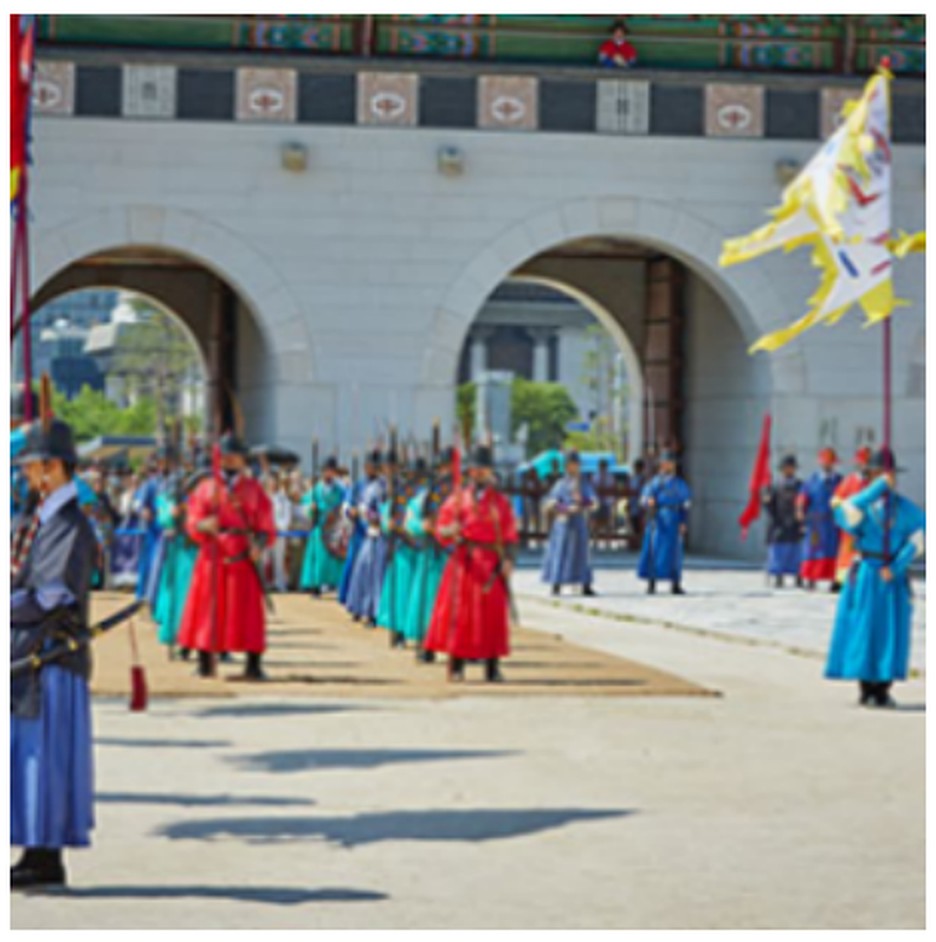
Gwanghwamun Gate 광화문
The principal southern gate of Gyeongbokgung Palace. Its name 光化 (Gwanghwa) means "may the king's light transform the people" — a condensed expression of Confucian political theology, in which the monarch mediates cosmic moral order to his subjects. The Royal Guard Changing Ceremony, performed daily at 11:00 and 13:00 (~10 minutes), is a contemporary reenactment of the Joseon palace guard rotation and one of Seoul's most-visited heritage performances.
The gate functions as a symbolic threshold between the sacred royal interior and the profane city — a useful frame for thinking about the boundary-crossing that animates demon-world stories like this one.
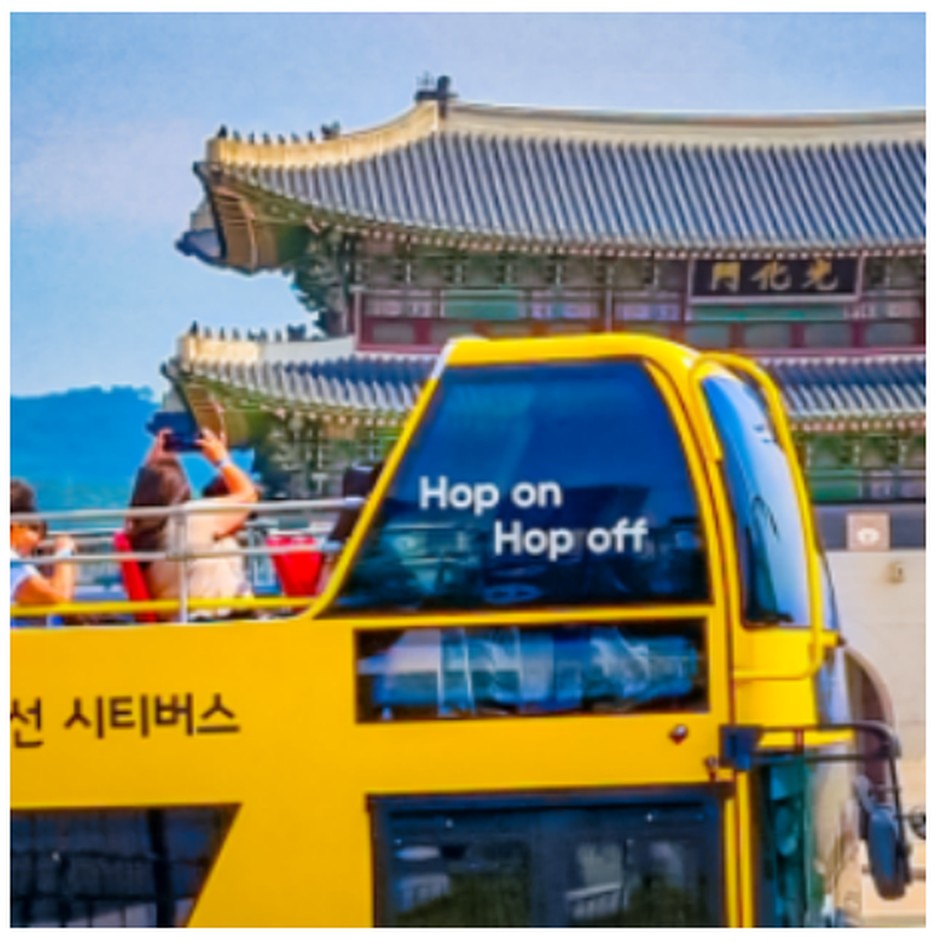
Yellow Balloon City Bus 노랑풍선 시티버스
An open-top double-decker that loops Seoul's downtown landmarks in about 90 minutes (09:30 first departure, 17:00 last, 40-min intervals, 27,000 KRW). For a first-day overview, this is the most efficient way to see the urban geography that frames almost every chase scene in the film.
From an anthropological standpoint, the route itself traces a Joseon-era ritual axis — Gwanghwamun, Jongno, Dongdaemun — the same processional path along which royal funerals and diplomatic envoys once moved between the palace and the city wall gates.